noticias

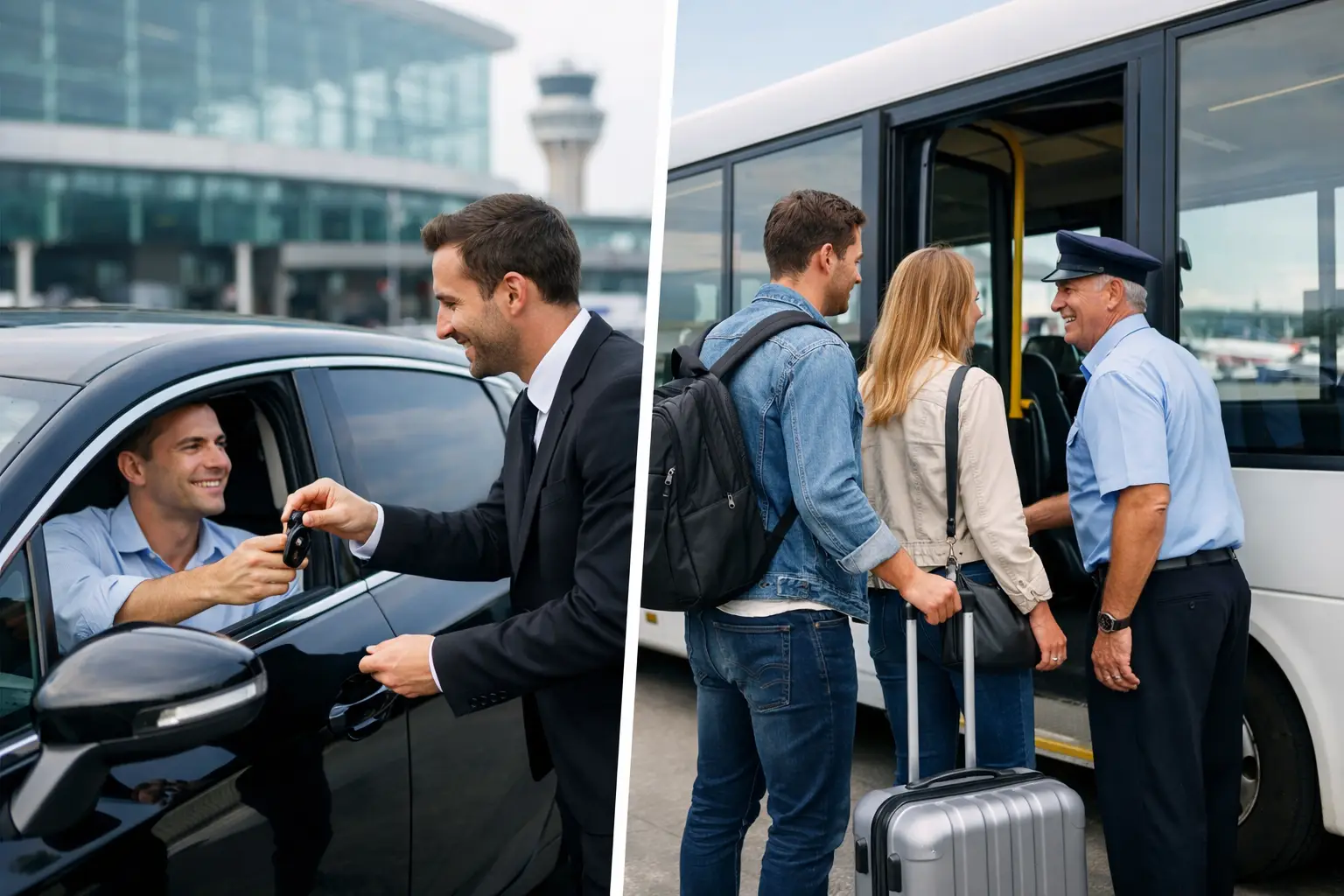
Best Barcelona Airport Parking: Valet vs Shuttle

Best Barcelona Airport Parking: Valet vs Shuttle

Running late for a flight is stressful enough without adding parking decisions at the kerb. If you are comparing the Best Barcelona Airport Parking: Valet vs Shuttle, the right choice usually comes down to one thing – how you travel. Your budget matters, but so do your luggage, your timing, and how much walking, waiting or coordination you want before check-in.

Both options solve the same problem: leaving your car safely and getting to the terminal without wasting time. The difference is in how direct the service feels and how much you want to pay for that extra convenience.

Best Barcelona Airport Parking: Valet vs Shuttle explained

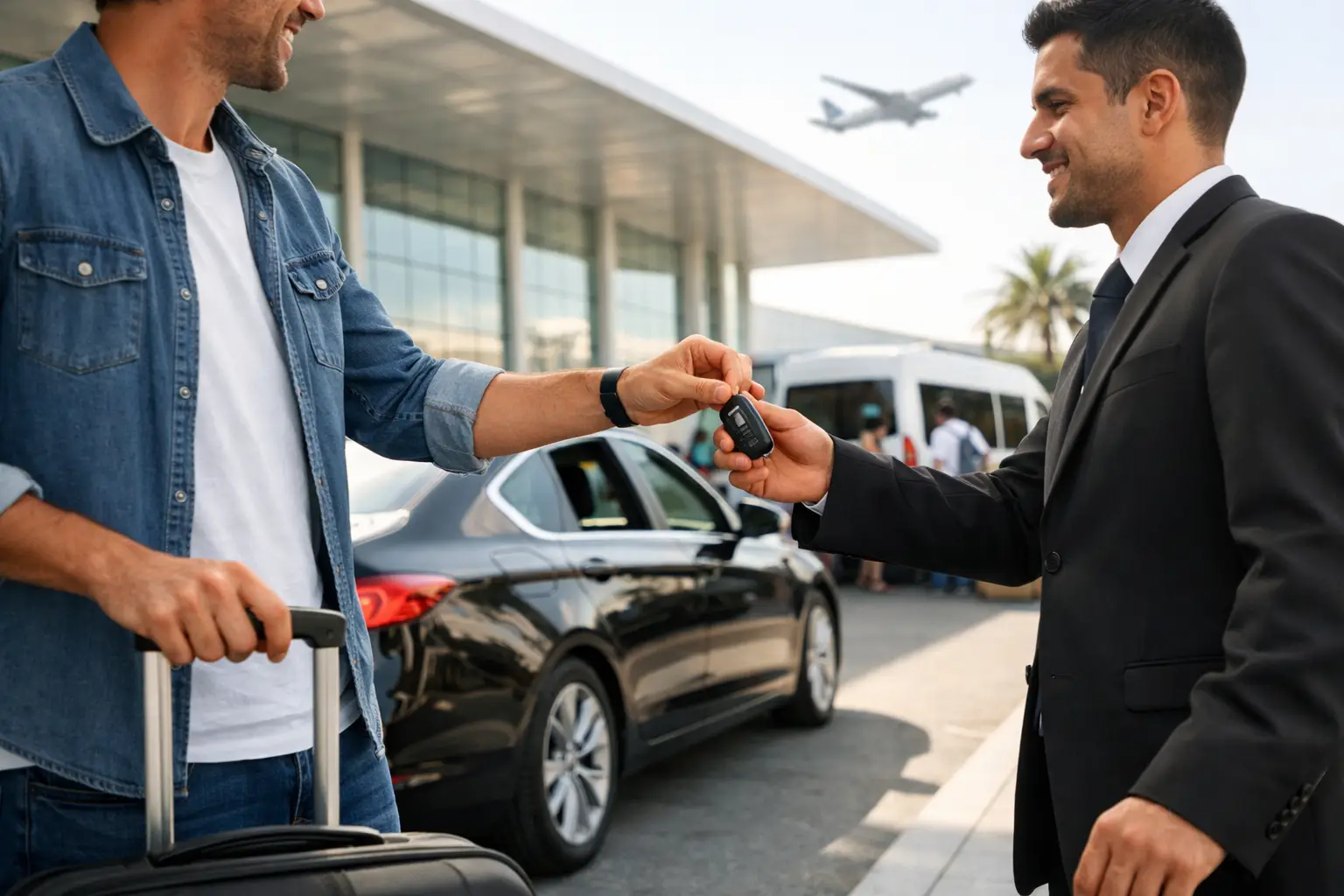
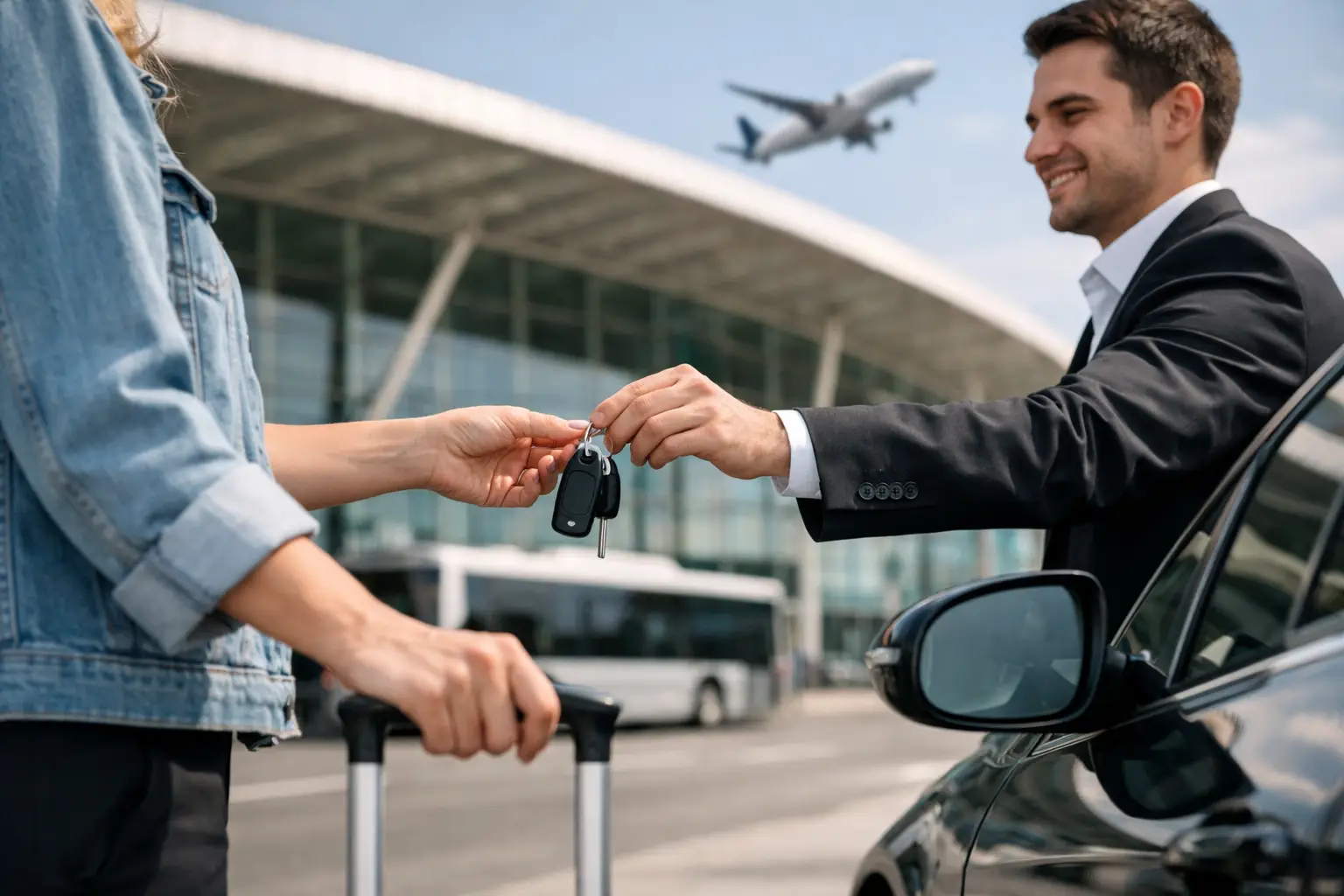
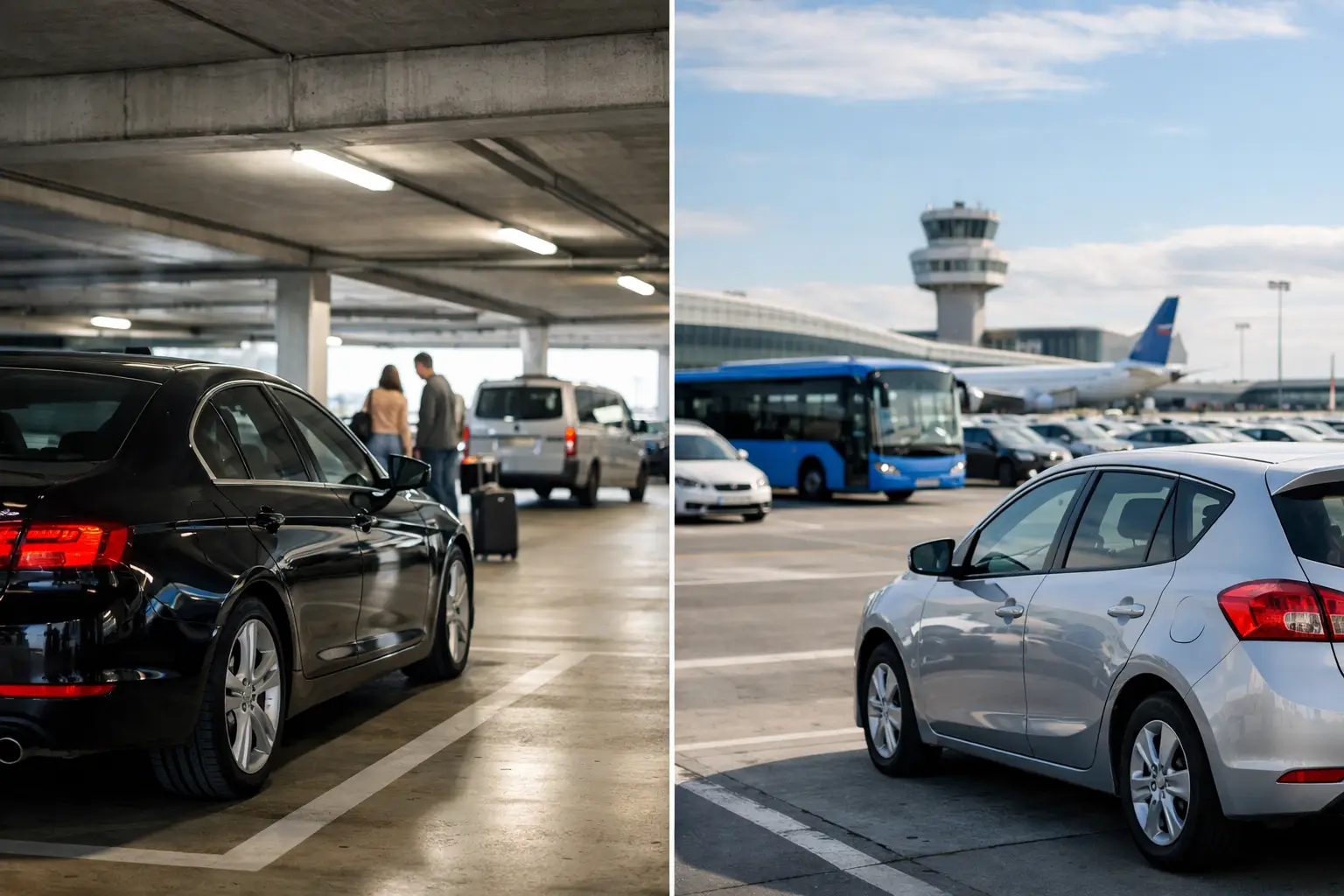
Valet parking is the faster, more direct option. You drive to the terminal, hand over the car, and continue straight to departures. On your return, the car is brought back to the agreed point so you can leave quickly. For travellers with children, heavy cases, tight schedules or late-night flights, that simplicity can make a real difference.

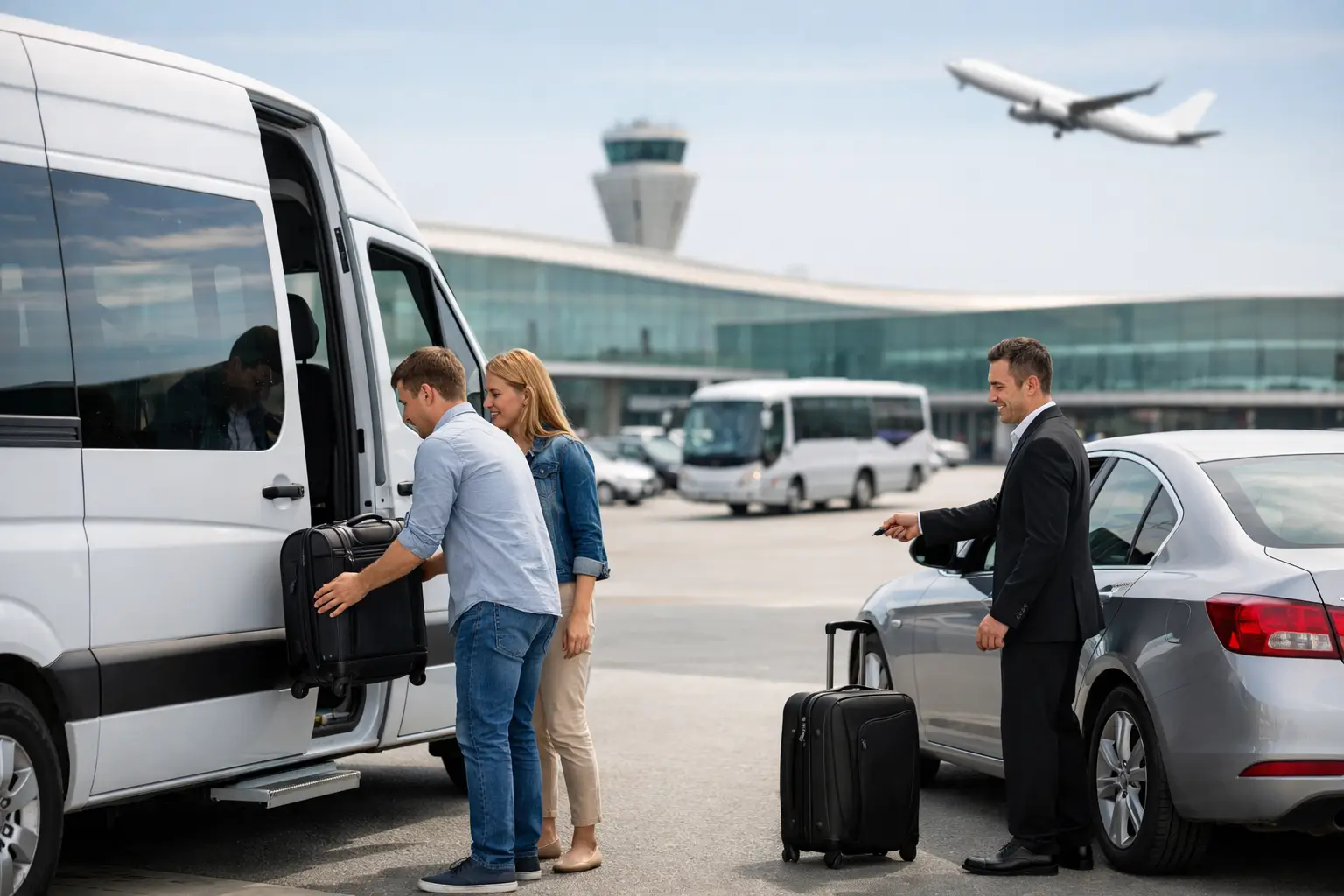
Shuttle parking, often called park and ride, works differently. You drive to the parking facility, leave your car there, and take a transfer to the airport. On the way back, the shuttle collects you and returns you to the car park. It adds one extra step, but it is often the better-value choice for travellers who want to keep costs under control.

Neither option is better in every situation. The best one is the one that fits your trip.

When valet parking is the better choice

Valet usually wins on time and convenience. If you are travelling for business, catching an early flight, or arriving at the airport with several bags, removing the transfer step keeps the whole journey simpler. You stay focused on your flight rather than on parking logistics.

It is also a strong option for families. Pushing a buggy, managing hand luggage and keeping children moving through the airport is easier when you can stop close to the terminal. The same applies if someone in your group has reduced mobility or if you simply want the shortest possible route from car to check-in.

If you are considering this option, our guide on Parking valet aeropuerto Barcelona: qué mirar covers the main points to check before booking.

When shuttle parking makes more sense

Shuttle parking is often the practical choice for longer stays. If you are going away for several days or more, the price difference can be worth it, especially if your travel schedule is not especially tight. You still get a secure place for your vehicle and a transfer to the terminal, but at a lower cost than a direct terminal handover service.

It also suits travellers who prefer to arrive with a bit of extra time and do not mind a short transfer. If your priority is balancing convenience with savings, shuttle parking is often the smarter option.

For a closer look at how to judge this type of service, see Park and ride aeropuerto: cómo elegir bien.

The real trade-off: speed versus savings

Most travellers are not choosing between good and bad. They are choosing between faster and cheaper.

Valet parking reduces friction. There is no separate parking stop, no transfer to board, and less handling of bags. You pay more for that time saved.

Shuttle parking reduces cost. You keep more of your budget for the trip itself, but you need to allow extra minutes for drop-off, transfer and collection. If your timing is comfortable, that trade-off is often worth it.

This is why the question should not be “Which service is best?” but “Which service is best for this trip?” A weekend city break with hand luggage may not justify valet. A 6 am departure with children and checked bags very well might.

What to check before booking either option

Whatever service you choose, the basics matter. Look for clear meeting instructions, simple online booking, transparent service details, and secure monitored parking. You also want realistic transfer or handover arrangements, not vague promises.

It helps to check whether the service covers both T1 and T2, how return pickup works, and whether extras such as covered parking, electric charging or car wash are available if useful for your trip. Good airport parking should remove stress, not create more messages and calls on the day.

If you want to avoid last-minute confusion, Reserva parking aeropuerto online sin sorpresas is a useful place to start.

So which option should you choose?

Choose valet if your main priority is speed, direct terminal access and the easiest possible start and end to your journey. Choose shuttle if you want solid value, secure off-site parking and a transfer that keeps costs lower.

For many travellers using Barcelona-El Prat, both are strong options when the operation behind them is clear, punctual and well organised. That is the key difference that matters most. A reliable service should fit around your trip, not force your trip to fit around the parking.

If you want a straightforward solution with both valet and shuttle options, AparkMe is built for exactly that – helping you park quickly, travel calmly and return to your car without unnecessary delays.

Read More...


7 Top Extras for Airport Parking

7 Top Extras for Airport Parking

Top extras for airport parking: what really makes your trip easier

A delayed flight is annoying. Coming back tired, carrying bags and then realising your car still needs charging, cleaning or a long shuttle wait is worse.

That is why the top extras for airport parking matter more than many travellers think.

The right extra is not about adding cost for the sake of it. It is about removing friction from the parts of the journey people usually want over quickly — arriving at the terminal on time and getting home smoothly when they land.

For families, business travellers and anyone driving to the airport, a few well-chosen add-ons can turn parking from a basic booking into a service that actually saves time.

Key insight: The best parking extras don’t add luxury — they remove friction.

What makes an airport parking extra worth paying for?

Not every extra is useful for every trip.

A valuable airport parking extra is defined as a service that improves time, comfort or vehicle care during your trip.

In practice, a good extra should do at least one of these: • Reduce stress before departure • Make vehicle return faster and easier • Improve how your car is looked after while you are away

If it does none of these, it is probably not worth paying for.

Instead of asking what extras are available, ask:

👉 What problem am I trying to solve? • Short on time → choose speed • Long trip → choose protection & maintenance • Travelling with luggage or family → choose convenience

Top extras for airport parking that genuinely help

Valet drop-off at the terminal

Valet parking is a service where a professional driver collects your vehicle directly at the terminal and parks it for you.

This is one of the most valuable extras because it removes the slowest part of airport parking: • No searching for a space • No walking with luggage • No waiting for transfers

You arrive, hand over the keys and go straight to departures.

👉 This is especially useful for: • Early flights • Families with children • Business travellers • Tight schedules

Fast shuttle transfer

For off-site parking, shuttle efficiency is everything.

A fast shuttle service is defined as a transfer with short waiting times, clear instructions and direct routes to the terminal.

What really matters: • Frequency of transfers • Loading speed • Coordination with arrivals

A cheap parking option only works if the shuttle is well organised.

Covered parking

Covered parking protects your vehicle from: • Sun exposure • Dust and dirt • Weather conditions

For short stays, it may be optional.

For longer trips, it becomes a practical upgrade — especially in warm climates like Barcelona.

Covered parking is less about luxury and more about preserving your vehicle.

Car wash service

A car wash is one of the simplest but most appreciated extras.

You leave your car parked and return to: • A clean vehicle • No extra errands • A smoother trip home

This is particularly valuable for: • Trips of 3+ days • Busy schedules • Frequent travellers

Electric vehicle charging

Electric vehicle charging is quickly becoming an essential parking extra.

EV charging is a service that ensures your car is ready to drive immediately after your return.

Without it, you may need to: • Stop at a charging station • Wait before continuing your journey

With it:

👉 You land → collect your car → go home

This is especially important for: • Late-night arrivals • Long stays • Daily drivers

Basic vehicle maintenance

Some services offer: • Tyre pressure checks • Battery support • Minor servicing

This turns idle parking time into productive time.

It is not essential for every traveller, but it can be valuable if: • Your car needs attention anyway • You want to avoid future appointments

Real-time communication and coordinated return

This is one of the most underrated but critical extras.

Real-time communication is a service that coordinates your vehicle return based on your arrival time.

It means: • No waiting • No confusion • Faster handover

Services like 👉 https://aparkme.com/en/ focus heavily on this operational clarity.

Because after a long trip, what matters most is simple:

👉 Getting your car back fast

How to choose the right extras for your trip

The best extras depend on your travel profile.

Short trips (1–2 days)

Focus on: • Speed • Valet or fast shuttle • Easy return

Medium trips (3–5 days)

Add: • Car wash • Covered parking

Long trips (1 week+)

Consider: • EV charging • Covered parking • Maintenance

Late arrivals

Prioritise: • Fast return • Real-time communication

Extras that are worth skipping sometimes

Not every extra is necessary.

You can skip extras when: • Your trip is very short • You travel light • You have flexible timing

The goal is not to add more.

👉 It is to remove friction.

That is why a clear booking process matters: https://aparkme.com/en/booking/

When services are easy to understand, decisions are faster and better.

The extra that matters most is the one that removes stress

Travellers rarely remember where they parked.

They remember: • Whether they arrived on time • Whether the process was smooth • Whether the return was easy

The best airport parking extras work because they solve those exact moments.

If an extra helps you: • Save time • Protect your vehicle • Leave and return without stress

👉 Then it is worth it.

Because in the end, parking is not about the car.

It is about how your journey starts and how it ends.

Read More...
Traslado parking a terminal sin perder tiempo

Traslado parking a terminal sin perder tiempo

If you are driving to catch a flight, the part that usually causes the most friction is not the road itself. It is the handover – where to leave the car, how long the transfer will take, and whether the transfer parking to the terminal will fit your schedule rather than slow it down.

That decision matters more than many travellers expect. A good parking transfer keeps your journey moving, especially when you are carrying cases, travelling with children, or heading to the airport on a tight timetable. A poor one adds waiting, uncertainty and unnecessary walking before you have even reached check-in.

What transfer parking to the terminal really means

In practice, transfer parking to the terminal refers to the part of the service that gets you from the parking point to the departures area, or back again after landing. Depending on the provider, that transfer may happen in one of two main ways.

The first is valet-style handover at the terminal. You drive directly to the agreed terminal point, a driver receives the vehicle, and your car is then taken to a secure parking facility while you continue straight to departures. On return, the process works in reverse, with the car brought back to the agreed collection point.

The second is park-and-ride. You drive to an off-site parking facility, leave your car there, and take a shuttle to the terminal. When you return, the shuttle takes you back to the car park so you can continue home.

Both options solve the same problem, but they suit different types of journey. The right choice depends on timing, budget, luggage and how much convenience you want built into the trip.

When a terminal transfer makes the biggest difference

A transfer service is useful on almost any trip, but there are moments when it becomes far more than a nice extra.

If you are travelling early in the morning, every minute feels tighter. You want to avoid circling car parks, searching for a space, and working out the route to departures in the dark. A direct transfer removes those steps.

It also matters when you are travelling as a family. Pushing a trolley, managing bags and keeping children moving in the right direction is much easier when the car handover is simple and close to the terminal. The same applies to business travellers, who often care less about parking itself and more about keeping the whole process predictable.

Then there is the return journey. After a late landing or a long day of travel, most people want the fastest route back into their own car. A well-run transfer service shortens that final stretch and reduces the usual post-flight hassle.

Valet or shuttle – which suits your trip?

Valet at the terminal

Valet parking is the most direct option. You drive to the terminal, hand over the vehicle, and walk into the airport. For many travellers, that is the biggest benefit – no detour to a remote parking area and no transfer bus to factor into the schedule.

This option tends to suit travellers who prioritise speed, those with heavy luggage, and anyone travelling with children or older relatives. It is also a strong fit for shorter trips where convenience is worth paying a little more for.

The trade-off is simple. Valet is usually about saving time and effort rather than chasing the lowest possible price. If your main priority is budget, a shuttle service may be a better match.

Shuttle from the car park

A shuttle service offers a different balance. You park at a secure off-site facility and complete the last part of the journey by transfer vehicle. It often works well for longer stays, where overall parking cost becomes more important.

The key is efficiency. If the shuttle runs promptly, the extra step is small. If timings are unclear or collection points are confusing, the process can feel longer than it needs to. That is why operational clarity matters more than flashy promises.

For many travellers, shuttle parking is the practical middle ground – good value, straightforward to use, and still much easier than relying on official on-site parking.

What to check before booking transfer parking to the terminal

Not all services are equal, and the difference usually shows up in the details. Before booking, it is worth checking how the service actually runs rather than focusing only on headline price.

Start with timing. You need to know how early you should arrive, how the transfer is coordinated, and what happens when you return. A reliable provider explains the process clearly – booking confirmation, contact point, handover instructions and return procedure.

Then look at vehicle security. Travellers want peace of mind when leaving a car for several days, and rightly so. Covered or monitored parking, controlled access and clear operating procedures all matter. Convenience gets the booking, but trust keeps customers coming back.

It also helps to check what is included. Some services offer useful extras such as car washing, electric charging or light maintenance while you are away. These are not essential for every trip, but they can add value when chosen deliberately.

Finally, consider the route from parking to terminal in real terms. A five-minute transfer that runs efficiently is better than a shorter advertised distance with poor coordination. For airport parking, the process matters as much as the map.

Why travellers often choose transfer parking over official airport parking

Official airport parking has one obvious advantage – it is on airport grounds. But for many people, that is not enough to justify the higher cost or the extra walking involved, especially on longer stays.

Transfer parking is often chosen because it gives travellers more control over the experience. With valet, you can go straight to the terminal. With shuttle parking, you can leave your car in a secure facility and still reach departures quickly. In both cases, the aim is the same: reduce stress without turning parking into the most expensive part of the journey.

That balance is especially useful in busy travel periods. When the airport is crowded, the last thing most drivers want is more uncertainty. A pre-booked service with a clear handover process keeps things moving and removes a layer of decision-making on the day.

The Barcelona factor – why operations matter

At busy transport hubs such as Barcelona-El Prat, the difference between a smooth arrival and a stressful one often comes down to coordination. Traffic flow, terminal access and passenger volume can all affect timing. That is why a good parking provider focuses heavily on operations rather than vague convenience claims.

For the traveller, this shows up in simple ways. Instructions are easy to follow. Contact is clear. The meeting point makes sense. Return collection is organised around your arrival rather than left uncertain.

That is the standard practical travellers are looking for. Services such as AparkMe are built around that need – fast handover, secure parking and transfer options that help people reach the terminal without wasting time.

How to choose the right service for your journey

The right choice depends on what matters most on this particular trip.

If you are heading away for a short break with hand luggage and a tight departure window, valet may save enough time to justify the extra convenience. If you are leaving the car for a longer holiday and want to keep costs under control, shuttle parking may be the smarter option.

If you are travelling with young children, terminal drop-off often feels much easier. If you are travelling alone and have more flexibility, a shuttle service may fit perfectly well. There is no single best answer for everyone.

What matters is choosing a service that matches the way you actually travel, not the way parking is advertised. A clear booking process, practical transfer times and secure parking will usually matter more than any sales wording.

A parking service should do one job very well – get you from your car to the terminal, and back again, without adding friction to the trip. When that part is handled properly, the rest of the journey starts to feel a lot easier.

Read More...
Cómo funciona aparcacoches aeropuerto

Cómo funciona aparcacoches aeropuerto

Arriving at the airport with just enough time, suitcases, children or a meeting on the other side of security is not the best time to start looking for parking. That is why many people try to understand how airport valet parking works before booking. The idea is simple: you arrive, hand over the car at an agreed point and continue your journey without detours. But it is worth knowing exactly what happens, what the service includes and what to look for when choosing.

How airport valet parking works step by step

The airport valet parking service is designed to save time and reduce friction before departure. It is not just about leaving the car near the terminal. It is about turning an awkward part of the journey into a quick, clear and predictable procedure.

Typically, you book online in advance. In that process you choose dates, departure and arrival times, and the type of service you need. Some options include terminal drop-off, others combine car park with a shuttle transfer, and some allow you to add extra services such as a wash or electric charging. Booking in advance helps to ensure availability and to arrive with clear instructions.

On the day of the flight, you drive to the designated point. If you have booked terminal valet, an authorised driver collects your vehicle in the agreed area. They will usually check the general condition of the car with you, confirm the booking details and take charge of it while you go straight into the airport. If you have chosen car park with shuttle, you park in an external facility and are taken to the terminal within a few minutes.

While you are travelling, the car is kept in facilities prepared for this type of stay. The difference between a professional service and an improvised one lies precisely here: operational control, reservation tracking, coordinated staff and a well defined handover and return process.

On your return, the system works in reverse. When you land, you notify them according to the instructions received and the vehicle is returned at the established point, or they collect you to take you to the car park if you reserved a shuttle. The aim is the same in both cases: that you retrieve your car quickly and continue your journey without wasting time.

What the service normally includes

Although each operator defines its conditions, there are several elements that commonly form part of the service. The first is collection and return of the vehicle at times linked to your booking. The second is parking in a facility intended for short or long stays. The third is operational coordination so the process fits with your outbound flight and your arrival.

In some cases transfers, real-time assistance and optional extras are also included. This is where it pays to read carefully what you are contracting. Not all services operate in the same way nor do they all meet the same needs. If you prioritise going straight to the terminal, valet parking is usually the most convenient option. If you want to stick to a budget and don’t mind a short transfer, park-and-ride may suit you better.

The key is not to pay for a vague promise, but for a clear service. Timetables, drop-off point, type of car park and return procedure should be explained without ambiguity.

Airport valet parking or shuttle: which suits you

There is not always a single correct answer. It depends on how you travel, the time of the flight and how much you value immediacy.

Terminal valet is usually the most practical option for those who are in a hurry, carry a lot of luggage or travel with young children. It also makes sense for business trips where every minute counts. You arrive, hand over the car and walk straight to check-in. There are fewer steps and less mental load.

Service with a shuttle, on the other hand, can be more convenient if you want an efficient alternative with a typically lower fare. It requires dropping off at the car park facility and taking a short transfer to the terminal, but it remains a very comfortable option compared with official airport parking when what you seek is to save without complicating things.

At busy airports, such as Barcelona–El Prat, both options make sense. The best choice does not depend only on price. It also depends on your departure time, the expected traffic volume and whether you are travelling for leisure or for work.

What to check before booking

If it is your first time using this service, there are four practical questions that will save you doubts. The first is where exactly the car is handed over and collected. The second is how much time margin they recommend before the flight. The third is where the vehicle will be parked during your trip. The fourth is how the return is coordinated when you land.

It is also worth checking whether the service operates only by prior booking and whether it allows changes in case of timetable adjustments. The clearer things are before the day of travel, the less friction you will have afterwards.

There is no need to overcomplicate it. A good airport valet parking service should be explained in a few steps and delivered with precision. If you need to read too much small print to understand it, it is probably not making your journey easier.

How airport valet parking works in practice

On paper, everything seems simple. In practice, what makes the difference is coordination. The real value of the service lies in well measured timings, staff who know exactly which booking they are handling and a client who does not have to improvise.

This is especially noticeable for early departures, late-night returns or weekends with high demand. At those times, having an organised process brings peace of mind. You know where to go, who to speak to and what will happen to your car while you are away.

That is why many people who try it repeat it. Not only for comfort, but because it removes a task that often causes unnecessary stress. When the service is well managed, it fits into the journey as another part of the logistics, not as an added problem.

When it is more worthwhile

This type of parking is particularly useful for stays of several days, when leaving the car in areas near the airport may be less practical or less clear. It is also a good solution for families, couples with a lot of luggage and frequent travellers who prefer a quick routine for departure and return.

For very short trips, the decision may depend on the timetable and the cost difference compared with other options. If your flight leaves at an awkward time or you return at dawn, the value of the service is not just in parking, but in avoiding extra journeys and saving time when you most need it.

In that respect, services like those from AparkMe fit well with travellers who seek speed, security and a straightforward operation from booking to the return of the vehicle.

Common mistakes to avoid

The most common mistake is arriving without having checked the instructions carefully. The second is calculating time too tightly, especially on days with heavy traffic. The third is assuming that all valet services are identical, when in reality they vary considerably depending on the operation.

It is also wise not to leave last-minute details such as return time or the correct terminal. The more precise information you give when booking, the smoother the handover and return will be. The experience improves greatly when the information is accurate from the start.

What you are really paying for

When someone asks how airport valet parking works, they are often asking another question underneath: is it worth it. And the answer depends on what you value most.

You are not paying just for a space. You are paying to save time, simplify access to the airport and leave your car within an operation designed for people travelling with fixed schedules. For some travellers, that is an occasional convenience. For others, it is a practical tool that makes the journey much easier.

If you choose well, the service does not add steps to the journey. It removes them. And when you have a flight ahead, that is already a very concrete advantage.

Read More...
AparkMe VIP Mas Blau: Is It Worth It?

AparkMe VIP Mas Blau: Is It Worth It?

If your flight is early, the last thing you need is to circle access roads, compare car parks on the spot, or drag suitcases across a terminal car park. That is exactly where AparkMe VIP Mas Blau makes a difference. It is built for travellers who want to arrive, hand over the car quickly, and keep moving without turning parking into the most stressful part of the trip.

For most people, airport parking is not really about parking. It is about time, distance to the terminal, how secure the vehicle feels while you are away, and whether the return is just as simple when you land tired, late, or with children in tow. VIP parking near the airport only works if it removes friction. If it adds steps, uncertainty, or delays, it misses the point.

What AparkMe VIP Mas Blau is really for

A service like AparkMe VIP Mas Blau suits drivers who want a faster start to their journey without paying for unnecessary extras. The value is not only in where the vehicle is stored, but in how the whole handover works.

That matters most in a few common situations. You may be travelling for work and need a predictable drop-off before a flight. You may be heading away with family and want to avoid unloading luggage in a packed public car park. Or you may simply prefer a practical option that feels organised from booking to return.

The point is convenience, but not vague convenience. Real convenience means clear booking, straightforward arrival instructions, efficient transfer or vehicle handover, and a return process that does not leave you waiting around wondering what happens next.

Why Mas Blau works well for airport parking

Mas Blau is a useful location for airport parking because it sits close to the main airport access routes while remaining outside the pressure of terminal traffic itself. For drivers, that usually means a more controlled arrival and a smoother operational flow.

That difference is easy to underestimate until you are travelling at a busy time. Official on-site parking can be practical in some cases, especially for very short stays or travellers who want to park and walk directly. But many people are not looking for the closest bay at any price. They want a balance of speed, security, and sensible cost.

A well-run off-site VIP service in the Mas Blau area can offer exactly that balance. You still stay close to the airport environment, but the service is designed around movement and timing rather than just selling access to a space.

AparkMe VIP Mas Blau and the time-saving factor

The strongest reason people choose this type of service is simple – it reduces decision-making on the day. You book in advance, arrive knowing what to do, and move through the process quickly.

That helps more than most travellers expect. Parking stress rarely comes from one dramatic problem. It comes from several small delays: finding the entrance, checking tariffs, locating a free bay, unloading awkwardly, then working out how to reach the terminal. Even if each step only adds a few minutes, the pressure builds fast when a departure time is fixed.

With a VIP-focused service, those extra decisions are reduced. The process is clearer, the handover is quicker, and the route from car to terminal is planned rather than improvised. For frequent flyers, that consistency matters just as much as raw speed.

Security matters, but clarity matters too

When people leave a car for several days, security is always one of the first concerns. Secure parking is not a luxury feature. It is basic peace of mind.

That said, good security should be paired with clear information. Travellers want to know where their car will be kept, how the process works, and what is included in the reservation. They do not want vague language or hidden steps. A service earns trust when it explains things simply and then follows through.

This is where a practical operator stands out. Secure facilities, monitored areas, organised vehicle handling, and responsive communication all support the same goal: helping the customer feel confident enough to focus on the trip instead of the car.

Who gets the most value from this service

Not every parking option suits every traveller. That is why it makes sense to think in terms of fit, not just price.

Business travellers often get strong value from AparkMe VIP Mas Blau because the service supports a tight schedule. Time lost before departure can affect the whole day, especially on short trips. A quicker handover and a simpler return can make the journey feel more controlled.

Families also benefit. When you are managing bags, pushchairs, or tired children, a practical drop-off process matters more than shaving a small amount off the booking cost. The easier the handover, the easier the rest of the airport experience becomes.

For leisure travellers on longer stays, the appeal is usually the balance between secure off-site parking and a service model designed around the airport. They want the car looked after, but they also want to feel that the booking is easy and the arrival back in Barcelona will be straightforward.

What to check before you book

Before choosing AparkMe VIP Mas Blau, it helps to focus on a few practical points rather than getting distracted by labels such as VIP or premium.

First, check how the handover works. Some travellers prefer valet-style convenience, while others are perfectly happy with a shuttle transfer if it is quick and clearly managed. The best option depends on your luggage, the time of day, and how much flexibility you want at departure and arrival.

Second, look at the reservation process. Good airport parking should be bookable online in a few minutes, with clear confirmation and straightforward instructions. If the booking feels confusing, the day-of-travel experience may not be much better.

Third, consider the length of your stay. For a very short trip, your priorities may be speed above all else. For a longer trip, secure storage and overall value may carry more weight. There is no single right answer – it depends on how you travel.

The trade-off: VIP convenience versus simple shuttle parking

VIP services are attractive for a reason, but the right choice depends on what you actually need. Some travellers hear “VIP” and assume it always means the best option. In reality, the best option is the one that matches your trip.

If your priority is the fastest possible handover with minimum walking and fewer logistics, VIP parking makes a lot of sense. If you are travelling with plenty of time, fewer bags, and a tighter budget, a standard park-and-ride service may do the job perfectly well.

The useful question is not whether VIP sounds better. It is whether the extra convenience is worth it for this particular journey. For many airport users, especially on early departures or late returns, the answer is yes.

Why repeat travellers tend to choose services like this

People rarely stay loyal to airport parking because of branding alone. They come back because the service saves time, removes stress, and feels dependable. Once a traveller has had a smooth handover and a simple return, that experience becomes part of how they plan future trips.

That is especially true for people flying several times a year. They do not want to re-evaluate parking every time. They want a service they understand, with a booking flow they trust and an operation that respects their schedule.

This is also why operational details matter more than flashy claims. Clear meeting points, efficient handling, secure parking, and responsive support are what turn a first booking into a repeat habit.

Making AparkMe VIP Mas Blau work for your trip

If you are considering https://aparkme.com/, the smartest approach is to book early, follow the arrival instructions carefully, and choose the service level that fits your travel day rather than the one that sounds most impressive. Early-morning flights, family travel, and short business trips often benefit most from a VIP-style service near the airport.

Airport parking should never feel like an extra journey before the real one begins. When the process is clear, fast, and secure, you start your trip in a better frame of mind – and that is usually worth more than people realise until they have travelled that way once.

Read More...
Parking seguro antes de viajar: qué mirar

Parking seguro antes de viajar: qué mirar

Heading to the airport with just enough time, the boot full and your mind on check‑in is challenge enough. Adding the doubt of where to leave the car only complicates the journey. If you are looking for secure parking before you travel, the decision should not be based on price alone. What really makes the difference is arriving on time, leaving your vehicle with peace of mind and finding an efficient process when you return.

For most travellers, parking is part of the trip even if it does not seem so. If it fails, everything else suffers. Slow access, a poorly coordinated transfer or unclear conditions can turn a simple departure into an unnecessary rush. That is why it is worth looking beyond the daily rate and paying attention to how the service works from start to finish.

What a truly secure car park before travelling means

Security is not only about the car being parked on site. It also matters how it is handed over, who receives it, where it is stored and what level of control exists during your absence. A well organised service reduces the margin for error and gives you visibility over each step.

In practice, that usually translates into guarded facilities, access control, defined handover processes and clear communication with the customer. If the service is designed for travellers, it should also add speed. Security without efficiency only solves half the problem.

It is also worth distinguishing between types of service. Some travellers prefer to leave the car directly at the terminal using a valet service, while others favour a car park with a shuttle bus as a balance between cost and convenience. No option is better in every case. It depends on the flight time, the luggage, whether you are travelling with children and the actual time margin you have.

What you should check before booking

Before confirming a space, it is worth checking some aspects that often go unnoticed when booking in a hurry. The first is the operation. A good car park for travellers explains clearly how the handover works, how much time you should allow and what happens on your return.

If the service includes valet, it is reasonable for the meeting point to be well defined and for the vehicle collection on return to follow a clear protocol. If it includes a shuttle, you should be able to know where it departs from, how long the transfer takes and how frequently it runs. There is no need to complicate it further. If you do not understand the process in two minutes, it is probably not well designed.

The second point is whether the car park is covered. Not all travellers need a covered space, but for long stays it can provide extra peace of mind. What matters is that the service describes transparently whether the car park is covered or open, whether it is monitored and whether it operates by prior booking.

The third factor is support during the trip. When your departure time changes or the flight is delayed, you need to know there will be a swift response. Real‑time communication, especially for services linked to an airport, station or port, is not an extra. It is part of the value.

Price, yes — but with context

Looking to save makes sense. In fact, many drivers use off‑site car parks precisely to avoid the cost of more rigid and less practical options. But the price is only useful when you know what it includes.

A low rate can cease to be economical if the transfer is not included, if access is slow or if the service forces you to arrive far too early. Conversely, paying a little more for a terminal drop‑off or a faster collection process can be well worth it, especially on business trips, family getaways or early‑morning flights.

The most useful approach is to consider the total cost in time and convenience. If a booking saves you detours, waits and extra journeys with suitcases, you are not only paying for parking. You are buying operational peace of mind.

When to choose valet and when to choose a shuttle

This is where the type of trip matters most. Valet works particularly well when you want maximum speed. You arrive at the agreed point, hand over the car and go straight to the terminal. It is a very practical option if you are travelling with children, have several suitcases or are pressed for time.

A car park with a shuttle bus is often a very good choice when you are after a balance between saving and efficiency. You leave the car at a facility prepared for that and a short transfer takes you to the departure point. If it is well coordinated, the process is straightforward and predictable.

The key is not to choose the most complete service, but the one that best suits your departure. For a short break with light luggage, the shuttle may be more than sufficient. For a long trip, a very early departure or a late return, valet can make everything more comfortable.

Signs that the service is designed for travellers

A car park aimed at travellers is easy to recognise because it eliminates friction. Online booking should be clear, the handover point easy to understand and the instructions direct. You should not need to read ambiguous terms or call several times to know what to do on arrival.

It also helps if there are useful additional services, but without distracting from the essentials. Car wash, electric charging or small maintenance tasks can be helpful during your absence, although they should never obscure the real priority: punctuality, security and an uncomplicated collection.

When a service works well, the driver does not have to improvise. They know where to go, what to expect and how much time they need. That predictability is one of the factors most valued by frequent travellers.

Secure parking before travelling in Barcelona

In a city with constant departures from the airport, Sants or the port, the difference between any car park and a well coordinated service is immediately apparent. Barcelona concentrates a lot of movement, demanding timetables and journeys where every minute counts. That is why secure parking before travelling should be designed to absorb that pressure without passing it on to the customer.

If you are driving to Barcelona‑El Prat, for example, it is usually most practical to book in advance and choose the format that best fits your schedule. For some people, leaving the car at the terminal is the quickest way to resolve access. For others, an efficient shuttle from a monitored car park offers the perfect balance between price and convenience.

Services such as AparkMe operate precisely at that point: making departures easier with clear options, prior booking and an operation designed to save time without losing security. That combination is what turns parking into a solved part of the trip, not another task.

Common mistakes when leaving the car before a trip

The most common mistake is deciding at the last minute. When you book with no margin, you tend to compare worse and adapt to what is available, not to what you really need. The second is looking only at the daily price and not at the service’s overall operation.

It is also common to misjudge timings. If you choose a shuttle, you must allow for access to the car park, the handover time and the transfer to the terminal or station. If you choose valet, you need to be clear about the exact meeting point. These are simple details, but they greatly affect the experience.

Another avoidable error is not checking the booking confirmation. It is worth saving the instructions, the contact phone number and the information about the return. When you land tired, the last thing you want is to search through old emails to find out how to recover the car.

How to book with more peace of mind

The best booking is the one that leaves everything clear before you leave home. Check the type of service, the hours, the meeting point, the collection procedure and any conditions related to flight changes or delays. There is no need to turn it into a long analysis. A few minutes of review are enough to avoid doubts later.

If you are travelling in high season, with family or during peak times, it is even more worthwhile to plan ahead. Booking early not only improves availability. It also lets you calmly choose the service that really fits your trip.

Leaving the car parked properly should not be the most uncertain part of your departure. When you choose a clear, efficient service designed for travellers, you gain time before take‑off and peace of mind during your absence. And that, just before you travel, is worth more than it seems.

Read More...
Parking aeropuerto para familias sin estrés

Parking aeropuerto para familias sin estrés

Viajar con niños cambia por completo la forma de llegar al aeropuerto. Lo que antes era una simple salida ahora incluye maletas, sillitas, mochilas, horarios de sueño y el margen justo para que todo salga bien. Por eso, elegir un buen parking aeropuerto para familias no es un detalle menor. Es una decisión que puede ahorrarte prisas, esperas innecesarias y ese estrés que empieza incluso antes del control de seguridad.

Cuando una familia conduce hasta el aeropuerto, lo que necesita no es solo una plaza. Necesita tiempo, claridad y un proceso fácil de entender. Si además el vuelo sale temprano o se viaja con bebés, la diferencia entre aparcar bien y aparcar mal se nota desde el primer minuto.

Qué necesita de verdad una familia al aparcar en el aeropuerto

La prioridad no suele ser la misma que la de un viajero solo o una persona que hace una escapada rápida. En un viaje familiar, la logística pesa más. Hay más equipaje, más paradas y menos margen para improvisar. Eso hace que la cercanía a la terminal, la rapidez del acceso y la sencillez del servicio tengan mucho más valor.

Un parking pensado para familias debe reducir pasos, no añadirlos. Si el proceso obliga a buscar una plaza durante demasiado tiempo, caminar una distancia larga con niños cansados o esperar un traslado sin saber cuánto tardará, deja de ser práctico. En cambio, si permite una entrega ágil del vehículo o un traslado corto y coordinado, la experiencia cambia por completo.

También importa la vuelta. Después de un vuelo, con menores cansados o dormidos, lo último que apetece es recorrer medio aparcamiento o resolver incidencias. La recogida del coche debe ser rápida, clara y bien coordinada. Ahí es donde se nota si el servicio está pensado para viajeros reales o solo para ocupar plazas.

Parking aeropuerto para familias: qué opciones encajan mejor

No todas las modalidades de aparcamiento sirven igual cuando se viaja en familia. La mejor opción depende de la edad de los niños, la cantidad de equipaje y el tipo de viaje, pero hay dos formatos que suelen funcionar especialmente bien.

Valet en terminal

Para muchas familias, es la opción más cómoda. Llegas a la terminal, entregas el coche en el punto acordado y entras directamente al aeropuerto. Evitas desplazamientos adicionales y reduces al mínimo el tiempo entre bajar del coche y estar facturando.

Es especialmente útil cuando viajas con carrito, varias maletas o niños pequeños. También cuando uno de los adultos necesita quedarse con los menores mientras el otro gestiona documentación o equipaje. Menos movimiento, menos carga física y menos margen para que algo se complique.

Eso sí, conviene reservar con antelación y seguir bien las instrucciones de entrega. La comodidad del valet depende de que la coordinación sea precisa. Si el servicio trabaja con comunicación clara y tiempos bien gestionados, la ventaja es evidente.

Parking con traslado al aeropuerto

Es una opción muy práctica cuando se busca equilibrio entre comodidad y coste. El coche se deja en una instalación segura y el servicio incluye traslado hasta la terminal. Para una familia, funciona bien si los tiempos de espera son bajos, el acceso es simple y el proceso de ida y vuelta está bien organizado.

Aquí el punto clave no es solo que haya shuttle, sino cómo funciona ese shuttle. Si pasa con frecuencia, si la carga de maletas es sencilla y si el trayecto es corto, el servicio resulta cómodo. Si obliga a esperar demasiado o no está preparado para viajeros con mucho equipaje, pierde parte de su valor.

Lo que conviene revisar antes de reservar

Cuando el viaje incluye niños, las sorpresas suelen salir caras en tiempo. Por eso, antes de confirmar una reserva, merece la pena revisar algunos aspectos operativos.

El primero es la ubicación real del parking o el punto de encuentro. No basta con que diga que está cerca del aeropuerto. Lo importante es cuánto tiempo tardas desde que dejas el coche hasta que llegas a la terminal, y si ese tiempo es estable incluso en horas de mucha salida.

El segundo es la forma de entrega y recogida. Una familia agradece instrucciones directas, pasos simples y contacto claro. Si el servicio explica bien qué hacer al llegar, dónde esperar y cómo se coordina la devolución del vehículo, reduce mucha tensión.

El tercero es la seguridad. Dejar el coche varios días exige confianza. Instalaciones vigiladas, control de accesos y operativa profesional aportan tranquilidad real, no solo una promesa genérica. Cuando vuelves de viaje con niños, saber que el coche está localizado y listo ayuda más de lo que parece.

También conviene mirar si hay servicios extra que de verdad tengan sentido. Por ejemplo, un lavado del coche o carga eléctrica pueden ser útiles, pero solo si encajan con el tipo de viaje. No deberían distraer de lo principal: rapidez, seguridad y facilidad.

Cómo ganar tiempo el día del vuelo

El mejor parking aeropuerto para familias no compensa una salida mal planificada. La reserva ayuda, pero el día del viaje sigue importando mucho. Salir con margen razonable evita convertir cualquier pequeño retraso en un problema.

Llegar con el depósito suficiente, tener las maletas cerradas antes de salir y llevar a mano la confirmación de la reserva ahorra minutos valiosos. Si usas sillita infantil, también conviene pensar con antelación cómo organizar la bajada del coche para no improvisar en plena terminal.

Otro punto útil es repartir tareas. Mientras un adulto supervisa a los niños, el otro puede encargarse del check-in del coche o del equipaje. Este tipo de coordinación simple acelera todo el proceso y evita errores tontos justo cuando hay más prisa.

En aeropuertos con mucho movimiento, como Barcelona-El Prat en determinadas franjas, esta diferencia se nota aún más. Un servicio ágil ayuda, pero una llegada ordenada marca el ritmo de todo lo que viene después.

Cuándo merece la pena pagar un poco más por comodidad

No siempre la opción más barata es la mejor para una familia. Si el ahorro implica más tiempo de espera, más traslados o más distancia hasta la terminal, puede salir caro en cansancio y organización.

Hay viajes en los que compensa claramente priorizar comodidad. Por ejemplo, cuando se vuela con un bebé, cuando la salida es de madrugada, cuando se regresa tarde o cuando la estancia es corta y cada minuto cuenta. En esos casos, pagar por un proceso más rápido suele ser una decisión práctica, no un capricho.

En cambio, si se viaja con niños mayores, con menos equipaje y con horarios amplios, un parking con traslado bien gestionado puede ofrecer muy buen equilibrio. La clave está en valorar el conjunto del servicio y no fijarse solo en el precio inicial.

Errores habituales que complican el viaje

Muchas incidencias empiezan antes de llegar al aeropuerto. Uno de los errores más comunes es reservar sin comprobar cómo funciona exactamente la entrega del coche. Otro es calcular los tiempos como si se viajara sin niños. En familia, todo tarda un poco más, y asumirlo desde el principio evita carreras innecesarias.

También falla a menudo la falta de información práctica. No saber qué número llamar a la vuelta, no tener clara la terminal o no revisar los detalles de la reserva añade fricción cuando más cansancio hay. Si el servicio está bien diseñado, estos puntos se resuelven fácil, pero conviene llegar preparado.

Y hay un error menos visible: pensar solo en la ida. La vuelta es igual de importante. Un parking que parece cómodo al salir puede no serlo tanto al regresar con niños dormidos y maletas. Por eso merece la pena elegir una opción que funcione bien en ambos momentos.

La experiencia ideal en un parking aeropuerto para familias

Una buena experiencia no necesita ser complicada. Empieza con una reserva clara, sigue con una llegada sin dudas y termina con una recogida del coche rápida. Todo lo demás suma, pero esa base es la que marca la diferencia.

Para una familia, comodidad significa reducir pasos. Significa no dar vueltas buscando sitio, no esperar sin información y no cargar con más logística de la necesaria. Cuando el servicio está pensado para eso, el viaje arranca mejor y la vuelta también.

En ese contexto, soluciones como las que ofrece AparkMe encajan bien con lo que muchas familias realmente valoran: operativa ágil, opciones flexibles entre valet y traslado, y un proceso diseñado para ahorrar tiempo sin complicar la salida.

Si viajas con niños, el mejor aparcamiento no es el que simplemente guarda tu coche. Es el que te ayuda a llegar al vuelo con la cabeza en el viaje y no en el reloj.

Read More...
What happens after flight delay: qué hacer

What happens after flight delay: qué hacer

Un retraso no solo mueve la hora de salida en la pantalla. Cambia recogidas, conexiones, reservas, turnos de trabajo y, muchas veces, también la forma en la que vuelves a casa. Si te preguntas what happens after flight delay, la respuesta corta es simple: se reajusta toda la cadena del viaje. La útil es esta: saber qué cambia primero y qué conviene hacer antes de aterrizar.

Cuando un vuelo se retrasa, el problema rara vez es solo esperar más. Lo que de verdad complica el viaje es el efecto dominó. Si has dejado el coche en un parking aeroportuario, si alguien te recoge, si tienes una reunión al llegar o si enlazas con tren, taxi o crucero, el retraso afecta a varios puntos a la vez. Por eso conviene actuar con orden y no improvisar en el último minuto.

What happens after flight delay en la práctica

Lo primero que suele pasar es que la aerolínea actualiza la hora estimada de salida o llegada. Esa previsión puede cambiar varias veces. A veces el vuelo sale más tarde pero llega con un retraso menor del esperado. Otras veces ocurre lo contrario. Por eso no basta con mirar una sola notificación.

Después vienen las decisiones operativas. Si estás en origen, toca revisar embarque, equipaje de mano, conexiones y tiempo real de la puerta. Si estás esperando tu regreso, lo importante es reorganizar la llegada: quién te recoge, cuánto tiempo permanecerá tu coche estacionado y si necesitas avisar a un servicio de entrega o devolución del vehículo.

Aquí hay un matiz importante. Un retraso de 40 minutos no se gestiona igual que uno de 4 horas. En el primer caso, puede que solo necesites informar a quien te espera. En el segundo, ya entran en juego derechos del pasajero, cambios de reserva y, en ocasiones, necesidad de asistencia adicional.

Qué cambia al aterrizar más tarde de lo previsto

Llegar tarde altera más cosas de las que parece. La terminal puede estar más cargada, la recogida de equipaje puede demorarse y el acceso a transporte terrestre puede ser más lento. Si vuelas a Barcelona-El Prat en hora punta o de noche, ese detalle importa.

También cambia la coordinación con el coche. Si has viajado conduciendo hasta el aeropuerto y has dejado el vehículo en un parking con reserva, lo normal es que el proceso de devolución dependa de tu hora real de llegada, no de la hora inicial del billete. Aun así, conviene avisar en cuanto tengas una actualización fiable. Eso da margen para ajustar la operativa y evitar esperas innecesarias cuando por fin aterrizas.

En servicios orientados a la puntualidad, como el valet parking o la entrega coordinada del coche en terminal, la comunicación es clave. No se trata de mandar cinco mensajes sin datos. Se trata de avisar cuando la nueva hora ya tiene sentido operativo. El objetivo es sencillo: bajar del avión y seguir tu ruta sin añadir más fricción al día.

Si has dejado el coche en el aeropuerto o cerca

Este es uno de los puntos que más preocupa a familias, viajeros de negocios y personas que vuelven cansadas. La duda es lógica: si regreso más tarde, ¿qué pasa con mi coche?

Depende de cómo esté organizada la reserva. En muchos casos, un retraso de vuelo no exige rehacer todo el servicio, pero sí informar del cambio. Si el parking trabaja con reservas y seguimiento de llegadas, la gestión suele ser más ágil. Si no avisas, el problema no es solo el horario. Es que el equipo no puede preparar la devolución con la misma rapidez.

Si tu prioridad es salir del aeropuerto cuanto antes, lo más práctico es confirmar tres cosas antes de aterrizar o justo al tocar tierra: nueva hora de llegada, terminal correcta y momento estimado en el que podrás salir de la zona de recogida de equipaje. Con eso, la coordinación mejora mucho.

Tus derechos después de un retraso

Cuando alguien busca what happens after flight delay, normalmente no solo quiere saber qué hacer con la logística. También quiere saber si le corresponde asistencia o compensación. Y aquí conviene separar conceptos.

Una cosa es la asistencia. Otra, la compensación económica. La asistencia puede incluir comida, bebida, comunicaciones y, si el retraso obliga a pasar la noche, alojamiento y transporte relacionado. Esto depende sobre todo de la duración de la espera y de la distancia del vuelo.

La compensación económica no aplica en todos los casos. Suele depender del tiempo de retraso final en la llegada al destino y del motivo del incidente. Si el retraso se debe a circunstancias extraordinarias, puede que no exista derecho a compensación aunque sí a asistencia. Si se debe a una causa imputable a la operativa de la compañía, el escenario puede ser distinto.

Por eso merece la pena guardar tarjetas de embarque, correos, mensajes de la aerolínea y cualquier prueba del horario real. No hace falta convertir el viaje en una batalla administrativa, pero sí conservar lo esencial por si más tarde necesitas reclamar.

Cuándo conviene reclamar

Reclamar tiene sentido cuando el retraso ha sido significativo, te ha generado un perjuicio claro y tienes documentación básica. Si además perdiste una conexión, una reserva asociada o llegaste con muchas horas de diferencia, conviene revisar el caso con calma.

Ahora bien, no todo retraso termina en compensación. A veces el mejor enfoque no es pelear cada minuto perdido, sino resolver primero tu llegada de forma práctica. Recuperar el coche rápido, llegar a casa sin rodeos y dejar cerrada la logística suele ser la prioridad real ese día.

Qué hacer paso a paso sin añadir más estrés

Lo más útil tras un retraso es priorizar. Primero, confirma la nueva hora real del vuelo. Segundo, avisa a quien te recoge o al servicio vinculado a tu llegada. Tercero, revisa si el retraso afecta a equipaje, conexión o traslado final.

Si has reservado un servicio de aparcamiento con atención coordinada, no esperes a estar ya fuera y con prisa. Un aviso breve y claro suele ser suficiente: número de reserva, nueva hora estimada y terminal. Ese tipo de comunicación ahorra tiempo justo cuando más lo necesitas.

También conviene ser realista con los tiempos. Aunque el avión aterrice, todavía quedan rodaje, desembarque, control en algunos vuelos y recogida de maletas. Muchas veces la diferencia entre una llegada ordenada y una llegada caótica está en no confundir hora de aterrizaje con hora real de salida de terminal.

Lo que pasa con conexiones, reuniones y planes cerrados

Aquí no hay una única respuesta. Depende del margen que tenías y del tipo de plan. Si tu conexión era ajustada, el retraso puede romper toda la secuencia. Si tu agenda era flexible, quizá solo necesites reorganizar la última parte del trayecto.

En viajes de trabajo, lo sensato es avisar pronto y dar una franja horaria, no una hora cerrada que puede volver a cambiar. En viajes familiares, conviene revisar especialmente recogidas, niños, sillitas, maletas y tiempos de conducción posteriores. Y si vuelves de noche, más motivo para reducir pasos al mínimo.

Por eso, para muchos viajeros, la parte terrestre del viaje pesa tanto como el propio vuelo. Tener el coche listo o una devolución bien coordinada no arregla el retraso, pero sí evita que el problema se alargue una hora más cuando ya has llegado.

What happens after flight delay si vuelas con equipaje facturado

Con equipaje facturado, el retraso suele sentirse más al final. No solo llegas tarde. También puedes tardar más en salir del aeropuerto. Si la terminal está concentrando varios vuelos retrasados, las cintas de equipaje y la zona de recogida pueden ir más lentas de lo habitual.

Eso afecta directamente a cualquier servicio que dependa de tu salida real de la terminal. La recomendación práctica es simple: en cuanto sepas que el vuelo llega con retraso, actualiza la información. Y cuando aterrices, confirma de nuevo si ves que el proceso dentro del aeropuerto va más despacio de lo normal.

En este punto, la diferencia la marca contar con un servicio que responda rápido y trabaje con una operativa clara. En Barcelona, AparkMe se centra justo en eso: hacer que la salida del aeropuerto sea fácil, incluso cuando el viaje no ha ido según lo previsto.

El mejor enfoque cuando el día ya se ha torcido

Un retraso no siempre se puede evitar. Lo que sí puedes evitar es que arrastre el resto de tu viaje. Si ordenas prioridades, guardas la documentación y avisas a tiempo a quien gestiona tu llegada, recuperas control rápido.

No hace falta complicarlo. Mira la nueva hora, comunica el cambio, calcula tu salida real de terminal y deja preparada la última parte del trayecto. Cuando vienes cansado, con equipaje o con prisa, esa previsión vale más que cualquier improvisación.

La mejor llegada no es la perfecta. Es la que, incluso con retraso, sigue siendo clara, rápida y sin sorpresas.

Read More...
Covered versus outdoor parking: qué conviene

Covered versus outdoor parking: qué conviene

A las 5 de la mañana, con maletas, poco margen y un vuelo por delante, la diferencia entre acertar o fallar con el aparcamiento se nota enseguida. En el debate covered versus outdoor parking, no gana siempre la misma opción. Lo que conviene depende de cuánto tiempo vas a estar fuera, del tipo de coche que conduces y de cuánto valoras la protección frente al precio.

Si vas al aeropuerto, a la estación o al puerto, la decisión no debería basarse solo en la tarifa. También cuenta cómo quieres encontrar el vehículo a la vuelta, cuánto tiempo quieres dedicar a la logística y qué nivel de tranquilidad necesitas mientras estás fuera. Elegir bien aquí ahorra más que dinero: ahorra fricción antes de viajar y problemas al regresar.

Covered versus outdoor parking: la diferencia real

Sobre el papel, parece simple. El parking cubierto protege el coche bajo techo. El parking exterior lo deja en una plaza al aire libre. Pero en la práctica, la diferencia va más allá de si el coche recibe sol o lluvia.

Un espacio cubierto suele ser la opción más cómoda cuando dejas el vehículo varios días o semanas. Reduce la exposición continua al calor, la humedad, el polvo, la resina de los árboles y otros factores que, sin ser graves en una estancia corta, sí se notan con el tiempo. También resulta más agradable cuando recoges el coche en pleno verano o después de varios días de mal tiempo.

El parking exterior, por su parte, suele encajar bien cuando priorizas el ahorro y haces una estancia más corta. Si el recinto está bien gestionado, con control de accesos, vigilancia y operativa clara, puede ser una solución muy práctica. No todo parking al aire libre implica menor calidad. La diferencia está en cómo se opera y en qué necesitas tú en ese viaje concreto.

Cuándo compensa elegir parking cubierto

El parking cubierto tiene sentido cuando quieres minimizar la exposición del vehículo durante tu ausencia. En una ciudad con episodios de calor intenso, humedad o lluvia puntual, dejar el coche bajo techo puede marcar una diferencia visible al volver.

Esto se nota especialmente en coches nuevos, vehículos de gama media-alta o simplemente en conductores que cuidan mucho el estado exterior. La pintura, los plásticos, los limpiaparabrisas y el interior sufren menos cuando no pasan días enteros al sol. Si viajas con frecuencia, esa protección acumulada también cuenta.

También compensa en estancias largas. No es lo mismo dejar el coche dos días que doce. Cuanto más tiempo pasa inmóvil, más valor gana la cobertura. Si además vuelves tarde, con cansancio o con niños, agradecerás recoger el coche sin cristales ardiendo ni sorpresas meteorológicas.

Hay otro punto práctico: la sensación de control. Para muchos viajeros, saber que el coche está bajo techo forma parte de viajar con más tranquilidad. No es solo una cuestión material. Es una decisión que reduce preocupaciones mientras estás fuera.

Estancias largas, clima y tipo de vehículo

Si tu viaje supera varios días, el parking cubierto suele ser la opción más equilibrada. El sobrecoste, cuando lo hay, puede compensarse por la protección extra y por la comodidad al regreso. Esto vale aún más si conduces un coche oscuro, un modelo con interior de cuero o un vehículo que usas a diario y quieres mantener en buen estado.

En cambio, si tu coche ya duerme normalmente en la calle y no te preocupa tanto la exposición exterior, quizá no necesites pagar más por una cobertura que no vas a valorar igual. Aquí no hay una respuesta universal. Hay una decisión práctica según tu contexto.

Cuándo el parking exterior es una buena decisión

Elegir parking exterior no es resignarse a una opción peor. En muchos casos es la alternativa más lógica. Si haces una escapada corta, sales en un horario cómodo y buscas contener el coste del viaje, puede ser exactamente lo que necesitas.

Un parking exterior bien organizado funciona muy bien cuando la prioridad es entrar, dejar el coche y llegar a la terminal sin rodeos. Si además el servicio incluye traslado rápido o una entrega coordinada, la experiencia puede ser tan ágil como la de otras modalidades más caras.

También es una opción razonable para quienes valoran una tarifa ajustada sin renunciar a medidas básicas de seguridad. Lo importante es mirar el conjunto: reserva previa, control operativo, atención al cliente y claridad en la recogida y entrega. Si esos elementos están bien resueltos, el hecho de que la plaza sea exterior deja de ser el único criterio.

El precio importa, pero no debería ser lo único

Es normal comparar precios. De hecho, conviene hacerlo. Pero cuando eliges aparcamiento para un viaje, lo barato sale caro si te obliga a perder tiempo, dudar sobre la operativa o volver con la sensación de que todo fue más complicado de lo necesario.

La pregunta útil no es solo cuánto cuesta, sino qué recibes a cambio. Si la opción exterior te ofrece un proceso ágil, un recinto controlado y una operativa puntual, puede tener mucho sentido. Si la diferencia de precio con el cubierto es pequeña y vas a estar fuera muchos días, entonces quizá merece la pena dar el paso a una plaza protegida.

Seguridad: más importante la gestión que el techo

Aquí conviene ser claros. Cubierto no significa automáticamente más seguro, y exterior no significa necesariamente menos seguro. La seguridad real depende de la gestión del parking.

Lo que de verdad importa es si el recinto tiene control de acceso, supervisión, procesos definidos para la entrega y recogida del vehículo y comunicación clara con el cliente. Un aparcamiento bien operado transmite confianza desde la reserva hasta la devolución. Uno mal organizado genera dudas aunque tenga plazas cubiertas.

Por eso, al comparar covered versus outdoor parking, hay que separar protección climática de seguridad operativa. Son dos cosas distintas. El techo protege frente al entorno. La operativa protege frente a incidencias evitables.

Si reservas en un servicio orientado a viajeros, fíjate en lo esencial: horarios bien coordinados, instrucciones simples, tiempos de traslado razonables y capacidad de respuesta. Para quien viaja con el tiempo medido, eso pesa tanto como el tipo de plaza.

Comodidad al salir y al volver

Cuando se habla de aparcamiento, muchas veces se piensa solo en dejar el coche. Pero el momento decisivo suele ser la vuelta. Ahí es donde una buena elección se nota de verdad.

Después de un vuelo, un tren o un crucero, lo que más se valora es que todo esté claro. Saber dónde ir, cuánto esperar y cómo recuperar el vehículo sin llamadas interminables ni cambios de última hora. Tanto en parking cubierto como exterior, la comodidad depende mucho del servicio que rodea a la plaza.

Si el proveedor trabaja con reserva previa, coordinación en tiempo real y procesos pensados para viajeros, la experiencia mejora muchísimo. En ese contexto, el debate entre cubierto y exterior pasa a un segundo nivel: ambos pueden funcionar bien si la operativa es rápida y fiable. AparkMe, por ejemplo, enfoca precisamente esa parte del servicio, que para muchos usuarios vale tanto como la plaza en sí.

Cómo decidir sin darle más vueltas

Si quieres acertar rápido, piensa en tres variables. La primera es la duración del viaje. Cuantos más días, más sentido tiene el parking cubierto. La segunda es tu prioridad principal: ahorro o protección. La tercera es el tipo de regreso que esperas tener. Si vuelves cansado, tarde o con familia, la comodidad pesa más.

También ayuda ser honesto con el uso real que haces del coche. Si lo cuidas mucho, el cubierto te dará más tranquilidad. Si buscas una solución funcional y eficiente para una salida corta, el exterior puede resolver perfectamente.

No hace falta convertir esta elección en un análisis infinito. Hace falta elegir una opción coherente con tu viaje. Si el contexto pide rapidez, simplicidad y control, ese debería ser el filtro principal.

Entonces, ¿covered versus outdoor parking?

La mejor opción no es la misma para todos. El parking cubierto gana en protección y suele encajar mejor en viajes largos o cuando quieres cuidar más el vehículo. El parking exterior gana en coste y puede ser una decisión muy práctica en estancias cortas o cuando lo que necesitas es una solución ágil y bien resuelta.

La clave está en no mirar solo la plaza, sino todo el servicio que la acompaña. Porque cuando sales de casa con el reloj en contra, lo que más valor tiene no es solo dónde dejas el coche. Es saber que al llegar y al volver, todo va a ser fácil.

La próxima vez que reserves, piensa menos en una etiqueta y más en cómo quieres que empiece y termine tu viaje.

Read More...
Parking estación con shuttle: cuándo compensa

Parking estación con shuttle: cuándo compensa

Llegar con margen a una estación o a un aeropuerto cambia por completo el inicio del viaje. Por eso, cuando vas en coche propio, elegir un parking estación con shuttle no va solo de encontrar una plaza: va de ganar tiempo, reducir tensión y dejar el vehículo en un lugar seguro mientras tú sigues tu ruta sin rodeos.

Para muchos viajeros, el mayor problema no es el trayecto principal, sino todo lo que ocurre antes. El tráfico de acceso, el equipaje, los niños, una reunión al bajar del tren o un vuelo temprano convierten cualquier minuto extra en una molestia real. En ese contexto, el parking con traslado funciona bien porque simplifica la parte menos agradecida del viaje: aparcar lejos del punto de salida, pero llegar a él rápido y con una operativa clara.

Qué es un parking estación con shuttle y por qué se usa tanto

Este servicio combina dos cosas muy concretas. Primero, un aparcamiento situado fuera del recinto principal o en una zona de acceso más práctico. Segundo, un traslado en shuttle que te lleva desde el parking hasta la estación, terminal o punto de embarque, y que te recoge a la vuelta para devolverte al coche.

La idea es sencilla, pero lo que marca la diferencia es cómo se ejecuta. Si el acceso al parking es fácil, el check-in es rápido y el shuttle sale con frecuencia, el sistema resulta muy eficiente. Si hay esperas largas o instrucciones poco claras, la ventaja desaparece. Por eso no todos los servicios se valoran igual: el concepto es bueno, pero la operativa importa.

En ciudades con mucho movimiento, como Barcelona, este modelo encaja especialmente bien. Hay viajeros que salen desde Sants en tren temprano, familias que van al aeropuerto con varias maletas o personas que embarcan en un crucero y prefieren evitar el coste y la incomodidad del parking oficial durante varios días. En todos esos casos, el shuttle resuelve el último tramo de forma práctica.

Cuándo compensa elegir parking estación con shuttle

Compensa sobre todo cuando la estancia supera unas pocas horas y necesitas equilibrio entre precio, comodidad y seguridad. Si vas a dejar el coche varios días, pagar por una opción premium pegada a la terminal o al andén no siempre tiene sentido. El shuttle te permite apartar el vehículo en una instalación preparada para estancias cortas o largas y llegar igualmente al punto de salida en pocos minutos.

También es una buena opción si viajas con equipaje medio o abundante, pero no necesitas la inmediatez total del valet. Hay viajeros que prefieren entregar el coche en la misma terminal, y eso tiene lógica cuando van con el tiempo muy justo. Pero si puedes asumir un traslado corto y prefieres una fórmula clara, reservada y normalmente más ajustada, el shuttle suele ser la alternativa natural.

Otra situación en la que compensa es cuando quieres evitar vueltas innecesarias por zonas de acceso congestionadas. Entrar, buscar plaza, cargar maletas y localizar la salida peatonal puede ser más lento de lo que parece. Un parking externo bien organizado elimina gran parte de esa fricción.

Lo que de verdad debes mirar antes de reservar

La primera pregunta no debería ser solo cuánto cuesta, sino cómo funciona. Un servicio de parking con shuttle merece la pena cuando el proceso completo está bien pensado. Eso incluye reserva online sencilla, instrucciones claras de llegada, personal localizable y un traslado coordinado con horarios reales de viajeros, no con una promesa vaga.

La frecuencia del shuttle es clave. Si el traslado sale de forma ágil o bajo coordinación inmediata, el servicio gana valor. Si dependes de una ventana muy amplia de espera, puedes acabar perdiendo el tiempo que pretendías ahorrar. Conviene revisar cómo se gestiona la ida y, sobre todo, la recogida al regreso, que es cuando más se nota la calidad operativa.

La seguridad del vehículo también debe ser visible, no abstracta. Un parking vigilado, control de accesos y una instalación preparada para custodiar coches durante varios días transmite tranquilidad real. Lo mismo ocurre con la trazabilidad de la reserva y la comunicación durante el servicio. Saber dónde ir, a quién llamar y qué va a pasar al llegar reduce mucho el estrés.

Shuttle, valet o parking oficial: no siempre gana la misma opción

Aquí conviene ser prácticos. El shuttle suele ser la mejor elección para quien quiere ahorrar frente al parking oficial sin renunciar a una llegada cómoda al punto de salida. Es una solución equilibrada y muy útil en viajes de varios días.

El valet, en cambio, gana cuando cada minuto cuenta. Si llevas niños pequeños, viajas con movilidad reducida, sales de madrugada o prefieres entregar el coche directamente en la terminal, pagar por esa rapidez extra puede compensar. No es mejor en todos los casos, pero sí en algunos muy concretos.

El parking oficial mantiene una ventaja evidente: está dentro del recinto y eso simplifica la referencia mental. Ahora bien, comodidad no siempre significa eficiencia global. Entre acceso, búsqueda de plaza y recorrido a pie, hay situaciones en las que un shuttle bien gestionado resulta incluso más cómodo de lo esperado.

La decisión correcta depende de tres variables: tiempo disponible, duración del viaje y nivel de comodidad que necesitas. Si las tienes claras, elegir es mucho más fácil.

Para qué tipo de viajero funciona mejor

El parking estación con shuttle encaja especialmente bien con perfiles muy habituales. Para familias, porque permite descargar con calma y completar el último tramo sin arrastrar equipaje durante largos recorridos. Para viajeros de negocios, porque da previsibilidad y evita improvisaciones de última hora. Para usuarios frecuentes, porque convierte la logística del coche en una rutina simple.

También funciona bien para quien sale desde puntos con mucha actividad y no quiere depender de un taxi ni de que alguien le lleve. Conducir tu propio coche hasta el parking, dejarlo seguro y continuar con un traslado corto da autonomía. Y a la vuelta, recuperar el vehículo sin esperas excesivas ayuda a cerrar el viaje de forma más limpia.

Señales de que el servicio está bien organizado

Un buen servicio se nota antes incluso de aparcar. La reserva debe ser rápida, con confirmación clara y sin pasos innecesarios. Las instrucciones de acceso tienen que ser fáciles de seguir, especialmente si llegas de madrugada o con prisa. Y el punto de encuentro del shuttle debe estar bien definido.

Durante la operación, la puntualidad pesa más que cualquier mensaje comercial. Que el traslado se active con agilidad, que el personal responda y que no tengas que adivinar el siguiente paso es lo que realmente genera confianza. En este tipo de servicio, la experiencia vale más que cualquier promesa.

Al regresar, la coordinación importa todavía más. Vienes cansado, quizá con prisas por volver a casa o por ir a otra cita. Si el punto de recogida está claro y el vehículo se recupera sin complicaciones, el servicio cumple su función completa. Ahí es donde una operativa profesional marca la diferencia.

Errores comunes al contratar un parking con shuttle

El más frecuente es reservar solo por precio. Si el ahorro inicial implica más espera, menos claridad o una logística incómoda, puede salir caro en tiempo y en tranquilidad. Conviene mirar el servicio como un conjunto y no como una cifra aislada.

Otro error es calcular mal los tiempos. Aunque el shuttle esté pensado para ser rápido, necesitas un margen razonable para llegar, estacionar, hacer el traspaso y continuar hasta tu salida. Salir con el tiempo justo convierte cualquier servicio correcto en una experiencia estresante.

También se comete a menudo el fallo de no revisar los detalles de recogida a la vuelta. Mucha gente presta atención al trayecto de ida y da por hecho que el regreso será automático. Lo sensato es comprobar desde el principio cómo se activa la recogida y dónde se realiza.

Lo que aporta un servicio pensado para viajeros reales

Cuando un parking con shuttle está diseñado alrededor de las necesidades del viajero, se nota en decisiones muy concretas: acceso simple, tiempos bien medidos, instalaciones seguras y comunicación directa. No hace falta complicarlo más. El usuario quiere dejar el coche, llegar a tiempo y volver a encontrarlo todo en orden.

Ese enfoque práctico es el que convierte el servicio en una opción habitual y no en un recurso de emergencia. De hecho, muchos viajeros que prueban esta fórmula repiten porque entienden que no solo han encontrado aparcamiento. Han resuelto una parte del viaje que antes les generaba fricción.

En Barcelona y en salidas con bastante movimiento, ese tipo de operativa cobra todavía más sentido. Servicios como los de AparkMe responden precisamente a esa necesidad: reducir pasos, acortar esperas y ofrecer una alternativa clara para quien quiere viajar sin complicarse desde el primer minuto.

Si estás valorando cómo llegar a tu próxima salida en coche, piensa menos en la plaza y más en el proceso completo. Cuando el shuttle está bien coordinado, el viaje empieza mejor incluso antes de arrancar.

Read More...
Cómo funciona how airport valet parking

Cómo funciona how airport valet parking

Vas con la hora justa, llevas maletas, quizá viajas con niños o tienes una reunión al aterrizar. En ese momento, entender how airport valet parking works deja de ser una curiosidad y pasa a ser una forma muy práctica de ahorrar tiempo antes de salir. La idea es simple: llegas con tu coche al punto acordado, un conductor autorizado lo recoge y tú entras en la terminal sin pasar por el proceso habitual de buscar plaza, aparcar y caminar cargado.

Para muchos viajeros, ese ahorro de tiempo es el motivo principal. Para otros, lo decisivo es la comodidad. Y para quien vuela a menudo, también cuenta la previsibilidad: saber qué va a pasar, cuánto tardará y cómo recuperará el coche a la vuelta.

Cómo funciona el airport valet parking paso a paso

El funcionamiento real del airport valet parking es más sencillo de lo que parece. Todo empieza antes del día del viaje, con una reserva. Normalmente eliges la fecha, la hora de llegada al aeropuerto, la hora estimada de regreso y algunos datos básicos del vehículo. Ese punto es importante porque el servicio está organizado en torno a franjas horarias y coordinación operativa. Cuanta más precisión haya en la reserva, más ágil suele ser la entrega.

El día de salida, conduces hasta la terminal o al punto de encuentro indicado. Allí te espera un profesional del servicio. Habitualmente se verifica la reserva, se confirma el estado general del coche y se registra la recogida. A partir de ahí, entregas las llaves y sigues tu camino al aeropuerto a pie, sin desvíos ni búsquedas de plaza.

Una vez hecha la entrega, el vehículo se traslada a una instalación de estacionamiento preparada para este tipo de servicio. Según el operador, puede ser parking cubierto o exterior, con control de acceso, supervisión y procesos internos de movimiento del vehículo. Este detalle importa porque el valet no significa que el coche se quede en la misma terminal, sino que alguien se ocupa de llevarlo al aparcamiento por ti.

A la vuelta, el proceso se invierte. Cuando aterrizas o recoges tu equipaje, contactas según las instrucciones de la reserva. El equipo coordina la devolución y un conductor te entrega el coche en el punto acordado. Tú recoges el vehículo y sales directamente, sin tener que desplazarte a un parking remoto ni esperar un traslado si has contratado un servicio de entrega en terminal.

Qué incluye normalmente el servicio

Aquí conviene ir a lo concreto. El airport valet parking suele incluir la recogida del coche, su traslado al aparcamiento, la custodia durante los días de viaje y la devolución coordinada a tu regreso. En algunos casos también se pueden añadir servicios opcionales, como lavado, carga eléctrica o tareas básicas de mantenimiento.

Lo importante es distinguir entre lo esencial y lo adicional. Lo esencial es la comodidad operativa: tú no aparcas el coche, no pierdes tiempo buscando plaza y no tienes que cargar equipaje desde un aparcamiento lejano. Lo adicional depende del proveedor y de lo que quieras contratar.

También hay diferencias entre un valet puro y un modelo park-and-ride. En el valet, entregas el coche cerca de la terminal. En el park-and-ride, conduces hasta un aparcamiento externo y desde allí tomas un traslado al aeropuerto. Ambos sirven para dejar el coche antes de viajar, pero la experiencia no es la misma. Si tu prioridad es llegar a pie a la terminal en minutos, el valet suele encajar mejor.

Por qué tantos viajeros lo eligen

La ventaja más evidente es el tiempo. Cuando vas al aeropuerto, cada paso extra pesa. Buscar plaza, aparcar bien, sacar maletas, ubicar ascensores o caminar con prisa puede convertir una salida normal en un inicio de viaje tenso. El valet elimina esa parte del recorrido.

La segunda ventaja es la comodidad. Se nota mucho en familias con sillitas, viajeros con equipaje voluminoso, personas mayores o profesionales que no quieren perder ni un minuto antes de embarcar. Llegar, entregar y entrar es un proceso corto, claro y fácil de repetir.

La tercera es la tranquilidad. Siempre que el servicio esté bien organizado, sabes quién recoge el coche, dónde se custodiará y cómo será la devolución. Esa claridad reduce dudas y evita improvisaciones de última hora, que es justo lo que más estrés genera antes de un vuelo.

En ciudades con alta actividad de viajes, como Barcelona, esta fórmula resulta especialmente útil en momentos de mucho movimiento, salidas tempranas o regresos nocturnos. Cuando el horario aprieta, tener un proceso cerrado ayuda más de lo que parece.

Cuándo compensa y cuándo depende

No todos los viajeros necesitan valet parking siempre. Si viajas solo, sin equipaje, con tiempo de sobra y por una estancia muy corta, quizá te baste otra opción. Pero si buscas rapidez real puerta a puerta, el valet suele compensar.

También depende del tipo de viaje. En una escapada de fin de semana, puede ser una decisión orientada a comodidad. En un viaje de trabajo, puede ser una cuestión de eficiencia. En vacaciones familiares, muchas veces es directamente una forma de quitar presión al inicio y al final del trayecto.

Otro punto es la hora del vuelo. En salidas de madrugada o llegadas tardías, reducir pasos y tiempos tiene mucho valor. Lo mismo ocurre si conoces bien el aeropuerto y sabes que ciertos momentos del día son menos cómodos para aparcar con calma.

Qué debes comprobar antes de reservar

Si quieres que la experiencia funcione bien, hay varios detalles que merece la pena revisar. El primero es el punto exacto de entrega y devolución. Debe estar claramente explicado para que no haya dudas al llegar.

El segundo es la comunicación. Un buen servicio de valet parking no solo recoge y entrega coches. También coordina en tiempo real, responde con rapidez y da instrucciones claras. Esto marca la diferencia cuando un vuelo se retrasa o si aterrizas antes de lo previsto.

El tercero es la seguridad del vehículo. Conviene saber dónde estará estacionado, si la instalación cuenta con control de acceso y qué protocolo de recepción se sigue. No hace falta entrar en tecnicismos, pero sí tener transparencia básica.

El cuarto es la política sobre cambios de horario. En los viajes, los planes cambian. Poder informar de un retraso o una modificación de llegada sin complicaciones forma parte de un servicio bien pensado.

Si además necesitas extras como lavado o carga eléctrica, comprueba si se ofrecen y cómo se solicitan. Son servicios útiles, pero deben estar integrados de forma clara en la reserva para evitar confusiones.

Dudas habituales sobre how airport valet parking works

Una de las preguntas más comunes es si otra persona conducirá tu coche. La respuesta es sí, porque precisamente el servicio consiste en recogerlo en la terminal y trasladarlo al aparcamiento. Por eso es clave elegir un operador con procesos claros, personal identificado y gestión organizada.

Otra duda frecuente es si tardarás más al volver. En un servicio bien coordinado, no debería ser así. La devolución se programa según tu llegada para que el coche esté listo en el momento acordado o con una espera mínima razonable. Aun así, hay que contar con variables reales como tráfico, retrasos de vuelos o picos de actividad.

También se pregunta mucho si merece la pena frente al aparcamiento tradicional. La respuesta honesta es que depende de cuánto valores tu tiempo y tu comodidad. Si quieres la opción más directa entre coche y terminal, el valet tiene una ventaja clara.

Lo que hace que la experiencia salga bien

El valet parking funciona mejor cuando hay tres cosas: instrucciones simples, puntualidad operativa y comunicación rápida. No hace falta complicarlo más. Si sabes dónde ir, quién te recibe y cómo avisar en el regreso, el servicio cumple su función principal, que es hacerte el viaje más fácil.

Por eso, más que fijarse solo en la idea del valet, conviene fijarse en cómo está ejecutado. Un servicio pensado para viajeros reales entiende que nadie quiere leer instrucciones eternas ni resolver incidencias en mitad de una salida. Quiere llegar, entregar el coche y seguir con su viaje.

En ese punto, propuestas centradas en reservas claras, recogida en terminal y devolución ágil, como las que se utilizan en entornos de alta demanda como Barcelona-El Prat, responden muy bien a lo que el viajero necesita de verdad: menos pasos, menos espera y más control sobre su tiempo.

La próxima vez que salgas de viaje en coche hacia el aeropuerto, piensa menos en dónde aparcar y más en cómo quieres empezar el trayecto. A veces, llegar a la terminal y olvidarte del coche durante unos minutos es exactamente lo que te permite viajar con la cabeza más tranquila.

Read More...
AparkMe: aparcar sin perder tiempo

AparkMe: aparcar sin perder tiempo

Salir de viaje en coche debería simplificarte el día, no complicarlo. Sin embargo, para muchos viajeros, el problema empieza justo antes de la salida: encontrar aparcamiento, calcular tiempos, mover maletas, pensar en la seguridad del vehículo y llegar a la terminal con margen suficiente. Ahí es donde aparkme tiene sentido, porque convierte una parte incómoda del trayecto en un proceso rápido, claro y previsible.

Qué resuelve AparkMe de verdad

No se trata solo de dejar el coche en un parking. Se trata de llegar a tu vuelo, a tu tren o a tu crucero sin añadir una capa extra de estrés. Cuando viajas con niños, con equipaje o con la agenda ajustada, cada minuto cuenta. También cuenta saber dónde está tu vehículo, cómo se gestionará la entrega y qué pasa a tu vuelta.

AparkMe responde a esa necesidad con un enfoque práctico. El objetivo no es complicar la decisión con demasiadas opciones, sino ofrecer fórmulas claras para perfiles de viaje distintos. Hay quien prioriza la máxima rapidez y quiere dejar el coche directamente en la terminal. Hay quien prefiere una alternativa eficiente con traslado incluido. Y hay quien además valora extras como lavado, carga eléctrica o una estancia más larga con control y seguimiento.

Cómo funciona aparkme según tu forma de viajar

La utilidad de un servicio así depende de un punto clave: que se adapte al ritmo real del usuario. No todos los viajeros salen igual de casa ni llegan con el mismo margen.

Si buscas el trayecto más directo

El valet parking encaja especialmente bien cuando no quieres perder tiempo dando vueltas ni cargando maletas desde un aparcamiento lejano. Llegas al punto acordado, entregas el vehículo y sigues hacia tu salida. A la vuelta, la recogida también se coordina para que el regreso sea ágil.

Esta opción suele ser la más cómoda para viajes de trabajo, escapadas cortas y familias con mucho equipaje. No porque siempre sea la única solución adecuada, sino porque reduce pasos. Y cuando el reloj aprieta, reducir pasos marca la diferencia.

Si priorizas equilibrio entre comodidad y coste

El formato park-and-ride tiene sentido para quien quiere una solución ordenada, con traslado rápido al punto de salida y un proceso fácil de entender. Conduces hasta la instalación, dejas el coche y continúas con el transfer incluido.

Es una alternativa especialmente razonable para estancias medias o largas. Mantiene la comodidad, ofrece una operativa clara y suele encajar bien con viajeros que planifican y quieren saber de antemano cómo será cada fase.

Si te importa tanto el viaje como la vuelta

Muchos servicios parecen pensados solo para la salida, pero la experiencia completa se valora al regresar. Después de un vuelo temprano, una llegada nocturna o varios días fuera, lo último que apetece es improvisar. Por eso la devolución coordinada del vehículo tiene tanto peso en la percepción del servicio.

Cuando la recogida está bien gestionada, el viaje termina mejor. Y eso no es un detalle menor. Para un usuario frecuente, la calidad de la vuelta es casi tan importante como la facilidad de la ida.

Seguridad y claridad: dos motivos por los que se decide rápido

Quien deja su coche antes de viajar no busca promesas grandes. Busca señales concretas de control. Instalaciones vigiladas, procesos definidos, reserva previa, comunicación útil y una operativa que no obligue a adivinar el siguiente paso.

La seguridad no se comunica bien con frases vagas. Se comunica bien cuando sabes dónde dejar el coche, quién lo recibe, cómo se organiza la estancia y cómo se coordina la devolución. Esa transparencia reduce dudas y ayuda a reservar antes, que es justo lo que necesita un viajero con poco tiempo.

También influye la claridad del servicio. Si todo depende de llamadas de última hora o instrucciones confusas, la experiencia empieza a fallar antes incluso de salir de casa. En cambio, cuando la reserva se hace online y el proceso está pensado para ser simple, el usuario siente que tiene el control.

AparkMe en momentos donde el tiempo vale más

Hay viajes tranquilos y viajes que exigen precisión. El valor de un servicio de aparcamiento cambia mucho según el contexto.

Vuelos muy temprano o llegadas de noche

En esas franjas, el margen de error se nota más. Cualquier retraso pesa y cualquier complicación parece el doble. Tener una solución prevista para dejar y recuperar el coche evita decisiones apresuradas cuando menos convienen.

Familias con equipaje

Cuando además de conducir llevas maletas, sillitas, mochilas o carros, caminar más de la cuenta no es una molestia pequeña. Es un problema real de organización. Por eso el acceso directo o el traslado bien coordinado aportan comodidad de verdad, no solo una mejora estética del servicio.

Viajes de trabajo

En un desplazamiento profesional, la prioridad suele ser la puntualidad. No hace falta adornarlo. Si una reunión, un vuelo o una conexión dependen de llegar a tiempo, el usuario valora una operativa que le permita salir del coche y seguir.

Estancias largas

Cuando el coche va a quedarse varios días, pesan más la tranquilidad y la gestión. Aquí importa menos recortar dos minutos y más saber que todo está organizado desde la reserva hasta la devolución.

Qué conviene mirar antes de reservar

Elegir bien no siempre significa escoger la opción más rápida. Depende del tipo de viaje, del presupuesto, del horario y del nivel de comodidad que necesitas.

Si viajas con el tiempo justo, la entrega en terminal puede ser la decisión más eficiente. Si tienes más margen y prefieres una fórmula práctica con traslado, el park-and-ride puede encajar mejor. Si el coche va a quedarse bastantes días, conviene fijarse también en la vigilancia, la cobertura y los servicios adicionales disponibles.

Otro punto importante es la comunicación. Un buen servicio de aparcamiento para viajeros no debería obligarte a perseguir información. La coordinación tiene que ser sencilla, especialmente en la salida y en la recogida. Si ese punto falla, el resto pierde valor muy rápido.

Barcelona: cuando el acceso influye de verdad

En entornos con mucho movimiento, como el Aeropuerto de Barcelona-El Prat, la estación de Sants o el puerto de cruceros, aparcar no es solo cuestión de encontrar sitio. También influye el tiempo de acceso, la facilidad para dejar a los pasajeros, la carga de equipaje y la necesidad de llegar sin rodeos.

Por eso un servicio especializado aporta más que un aparcamiento convencional. Está pensado para acompañar una salida real, con horarios concretos y un flujo de viajeros que no quiere desviarse más de la cuenta. Esa orientación operativa es la diferencia entre dejar el coche y resolver el trayecto.

Más que aparcar: servicios que suman valor real

Hay extras que no cambian nada y otros que sí. En movilidad, solo importan los que reducen gestiones o aprovechan mejor el tiempo en que el coche va a estar parado.

El lavado del vehículo puede ser útil al volver de un viaje largo. La carga eléctrica responde a una necesidad cada vez más habitual. Y ciertas tareas de mantenimiento pueden tener sentido si te permiten concentrarlo todo en un único proceso. No son imprescindibles para todos, pero para muchos usuarios añaden comodidad real sin desviar el objetivo principal.

La clave está en que esos servicios no distraigan del núcleo de la experiencia. Primero debe funcionar la puntualidad, la recepción, el traslado o la entrega, y la devolución. Lo demás solo suma si la base está bien resuelta.

Por qué un servicio así se convierte en hábito

La primera reserva suele hacerse por necesidad. La segunda llega por confianza. Cuando un viajero comprueba que ha ahorrado tiempo, ha evitado fricciones y ha vuelto a encontrar su coche sin complicaciones, cambia su forma de planificar el trayecto.

Eso explica por qué muchos usuarios dejan de ver el aparcamiento como una parte secundaria del viaje. No lo es. Puede afectar al humor con el que sales, al margen con el que llegas y a la sensación con la que vuelves a casa.

AparkMe encaja justo ahí, en ese punto donde la movilidad necesita ser simple. Sin rodeos, sin pasos innecesarios y con una operativa pensada para personas que no quieren perder tiempo antes de viajar.

La próxima vez que organices una salida, piensa menos en dónde dejar el coche y más en cómo quieres empezar el viaje. Normalmente, esa respuesta te lleva a una decisión mejor.

Read More...